
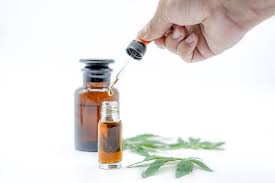


Cannabis oil has become one of the most talked-about natural remedies for modern health challenges—especially when it comes to sleep, stress, and pain. As more people look for alternatives to pharmaceuticals, cannabis-derived products are stepping into the spotlight.
But does cannabis oil actually work? And if so, how should you use it safely and effectively?
Let’s break it down.
What Is Cannabis Oil?
Cannabis oil is an extract from the cannabis plant that contains active compounds known as cannabinoids, primarily:
- CBD (cannabidiol) – non-psychoactive, calming
- THC (tetrahydrocannabinol) – psychoactive, more potent
These compounds interact with your body’s endocannabinoid system (ECS), which helps regulate key functions like:
- Sleep cycles
- Mood and stress
- Pain perception
- Immune response
Cannabis Oil for Sleep
Sleep issues are one of the most common reasons people turn to cannabis oil.
How it helps:
- CBD may reduce anxiety and calm the mind, making it easier to fall asleep
- THC may shorten the time it takes to fall asleep and promote deeper rest
When it works best:
Cannabis oil is particularly helpful if your sleep problems are linked to:
- Stress or racing thoughts
- Chronic pain
- Irregular sleep patterns
What to consider:
- Start with a low dose 30–60 minutes before bed
- Avoid high THC doses, which may disrupt sleep cycles over time
👉 Many users find that a balanced CBD:THC ratio provides the most consistent results.
Cannabis Oil for Relaxation and Stress Relief
In a fast-paced world, relaxation doesn’t come easily—and that’s where cannabis oil can make a difference.
Benefits for relaxation:
- Promotes a sense of calm without heavy sedation (especially CBD)
- Helps regulate stress responses
- May reduce symptoms of anxiety
Unlike alcohol or sedatives, cannabis oil—when used correctly—can support relaxation without the same level of dependency risk.
Best approach:
- Use CBD-dominant oils during the day
- Reserve THC-containing products for evenings or downtime
Cannabis Oil for Pain Management
Pain management is one of the most well-researched uses of cannabis.
Types of pain it may help with:
- Chronic pain
- Inflammation
- Muscle soreness
- Nerve-related pain
How it works:
- CBD may reduce inflammation
- THC interacts with pain receptors in the brain to reduce perception of pain
What actually works:
- Mild pain → CBD alone may be enough
- Moderate to severe pain → THC or a combination of CBD + THC is often more effective
Finding the Right Balance: CBD vs THC
Not all cannabis oils are created equal. The effectiveness depends heavily on the ratio of CBD to THC.
- CBD-dominant oils → Best for daytime use, anxiety, and mild pain
- THC-dominant oils → Stronger effects, better for sleep and intense pain
- Balanced oils → Often provide the “entourage effect,” where compounds work better together
The key is to experiment slowly and find what works for your body.
Safety and Side Effects
Cannabis oil is generally well tolerated, but it’s important to be aware of potential side effects.
Possible side effects:
- Dry mouth
- Drowsiness
- Changes in appetite
- Dizziness (more common with THC)
Tips for safe use:
- Start low and increase gradually
- Avoid mixing with alcohol
- Consult a healthcare professional if you’re on medication
How to Use Cannabis Oil
Cannabis oil is typically taken:
- Sublingually (under the tongue) for fast absorption
- In capsules or edibles for longer-lasting effects
- Topically for localized pain relief
For sleep, relaxation, and pain, sublingual use is usually the most effective starting point.
Final Thoughts
Cannabis oil isn’t a magic cure—but for many people, it’s a powerful tool for improving sleep quality, reducing stress, and managing pain.
The real key is personalization:
- Start with the right type of oil
- Adjust your dosage gradually
- Pay attention to how your body responds
Used responsibly, cannabis oil can become a valuable part of your daily wellness routine.
Disclaimer
This content is for informational purposes only and does not constitute medical advice. Always consult a qualified healthcare professional before using cannabis products, especially if you have underlying conditions or are taking medication.